
Reliable Heating When Temperatures Drop
Residential heating repair and installation in Rancho Cucamonga for safe and consistent warmth during cooler months.
When your heating system fails in Rancho Cucamonga, you notice cold air from the vents, a furnace that will not ignite, or uneven temperatures throughout your home. While winters in the Inland Empire are mild compared to other regions, nighttime and early morning temperatures still require reliable heating to keep your home comfortable. A system that fails to start, cycles on and off repeatedly, or produces weak airflow leaves you dealing with discomfort and potential safety concerns if ignition or venting components are involved.
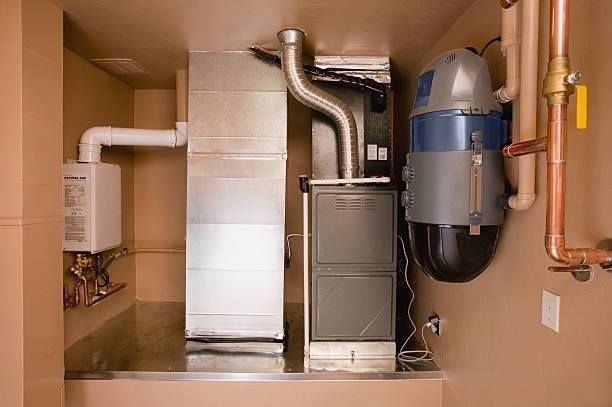
A Plus Air Corp handles repair and installation of residential heating systems with troubleshooting focused on safety, comfort, and efficiency. Repairs involve diagnosing ignition failures, testing gas valves and flame sensors, checking airflow across the heat exchanger, and inspecting venting to ensure combustion gases exit properly. Installation work includes sizing furnaces or heat pumps to match your home's heating load, positioning equipment for proper clearance and airflow, and connecting gas lines or electrical circuits according to code. Straightforward recommendations mean you are not sold unnecessary add-ons or equipment upgrades that do not improve performance.
If your heating system is not working correctly in Rancho Cucamonga, get in touch with A Plus Air Corp to schedule service.
Service That Restores Warmth Without Add-Ons
Ready to get started? Call (772) 444-8957 today to speak with our team and schedule your service or request a free estimate.
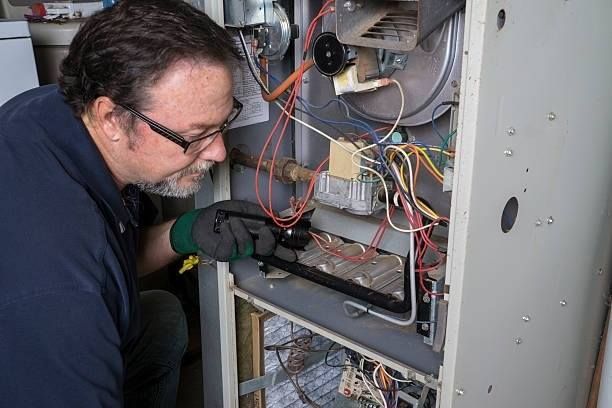
When a technician arrives for heating service in Rancho Cucamonga, the inspection begins with thermostat function, then moves to the furnace or heat pump itself. The technician checks for power supply issues, tests the igniter or pilot assembly, measures gas pressure if applicable, and inspects the blower motor and belt for wear. Diagnostic tools measure temperature rise across the heat exchanger and airflow at the supply registers to confirm the system heats effectively and safely.
After the repair is finished, your home warms evenly and the system responds to thermostat calls without delay or repeated cycling. You hear normal ignition and blower operation, feel warm air from all vents, and see the temperature stabilize at your chosen setting. Hands-on service from an owner-operated team ensures that quality control remains consistent and that no shortcuts are taken during diagnosis or repair.
The service includes component replacement when parts fail, cleaning of flame sensors and burners when buildup affects ignition, and testing under operating conditions to verify the repair. Installation work involves proper venting to prevent carbon monoxide buildup, correct ductwork connections to ensure even airflow, and startup testing to confirm all safety controls function correctly. Reliable heating support for cooler Inland Empire seasons means the work accounts for local conditions and the specific demands of your home.
It helps to know what to expect before scheduling
Homeowners often ask about common heating problems, safety concerns, and the differences between repair and replacement.
What causes a furnace to stop igniting?
A failed igniter, dirty flame sensor, or faulty gas valve are the most common causes. Each component can prevent the burners from lighting even if the blower runs normally.
How often should I replace my heating system?
Most residential furnaces last fifteen to twenty years with regular maintenance. You should consider replacement if the heat exchanger is cracked, if repairs are frequent, or if efficiency has dropped significantly.
Why does my furnace blow cold air sometimes?
Cold air usually indicates the burners are not igniting or the blower is running before the heat exchanger warms up. It can also result from a faulty limit switch or thermostat setting error.
What safety issues should I watch for with heating systems?
Carbon monoxide leaks from cracked heat exchangers or improper venting, gas odors indicating a leak, and frequent shutdowns that suggest a safety control is tripping. Any of these require immediate professional attention.
How long does a heating repair typically take?
Most heating repairs are completed in one visit lasting one to two hours depending on the issue. Complex problems like heat exchanger replacement or complete system installation require longer timelines.
A Plus Air Corp provides residential heating repair and installation throughout Rancho Cucamonga with direct technician involvement and no unnecessary recommendations. If your heating system needs attention, contact us to schedule a service visit.